Preserving Stories. Strengthening Supports.
Building Continuity, Together!
YOUR LOVED ONE IS MORE THAN A SERVICE PLAN. THEIR STORY MATTERS.
If you could sit down with every person who will support your loved one over the next 5, 10, or 20 years, what would you want them to know?
That is the knowledge Bridging Service Gaps in Clallam County hopes to help you preserve.
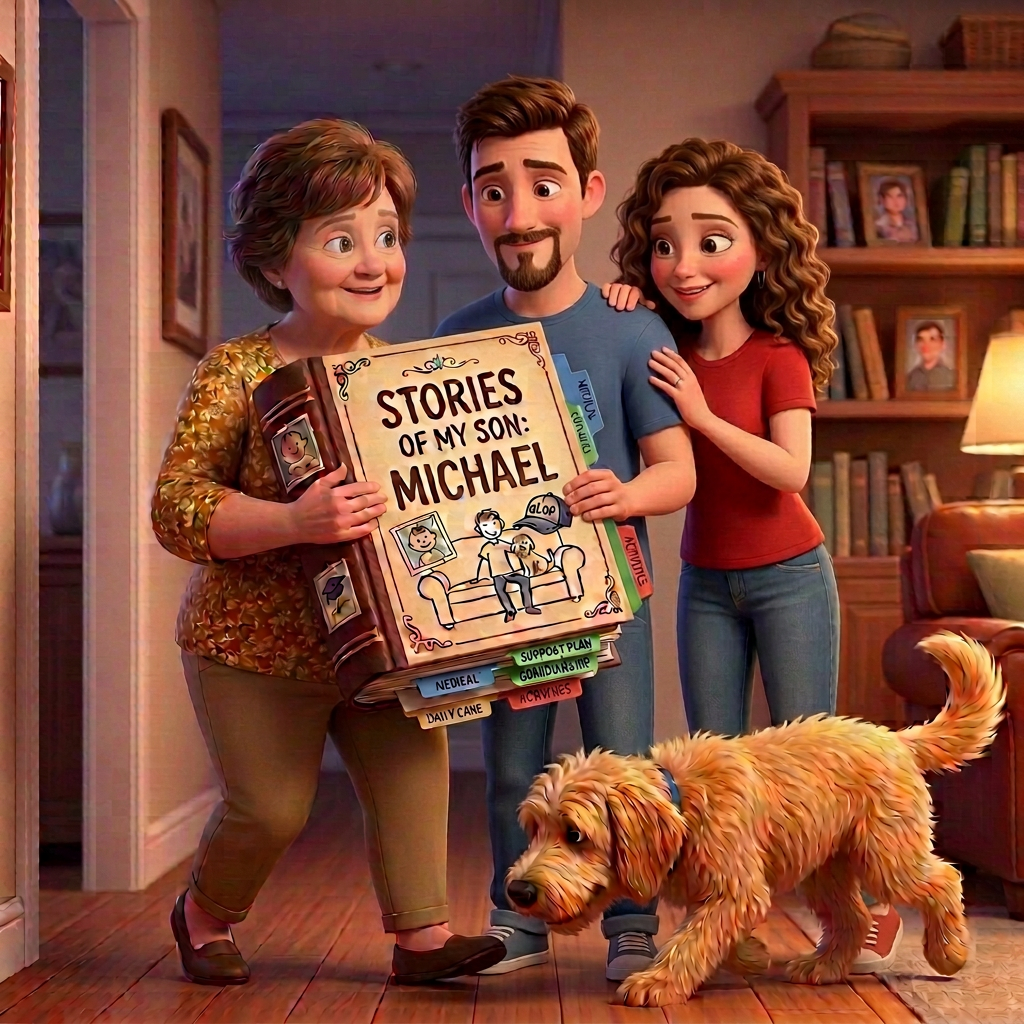 Families are the historians of their loved one’s life. They carry decades of knowledge, experiences, and insights that no assessment, report, or service record can fully capture. Like the childhood game of Telephone, important details can become diluted, misunderstood, or lost altogether as information passes through multiple providers, agencies, and life transitions.
Clallam County Health and Human Services – Developmental Disabilities Program is supporting an innovative pilot project designed to improve continuity, dignity, and quality of supports for Youth and Adults with autism, intellectual and developmental disabilities (IDD), particularly those with complex and high-acuity support needs. Grounded in Home and Community-Based Services (HCBS) values, this project addresses one of the most persistent challenge in the service system: the disruption individuals and families experience when staff turnover leads to repeated Discovery processes and assessment duplication.
The purpose of this project is to help families preserve their loved one’s story in a way that traditional assessments and paperwork cannot. By capturing personal history, strengths, preferences, communication styles, learning needs, and effective support strategies, the multimedia profile creates a lasting, living resource that helps others understand the whole person, not just a written reports left to the reader to interpret.
Even the strongest assessments are written through the lens of a specific service provider, which means important details may still be missed. This profile helps individuals and families keep critical knowledge current, accessible, and consistency across services, providers, and life transitions, reducing the need to repeatedly retell their loved one’s story.
This project is being led by Monica Meyer of Monica Meyer Consulting, Inc. The concept of this project Bridging Service Gaps in Clallam County: A Pilot for Other Counties will create multimedia portfolios that preserve essential knowledge about each individual so that understanding does not need to begin again and again every time a provider or staff member changes.

Frequently Asked Questions by Families
A multimedia profile is a family-owned resource that brings important information about your loved one together in one place.
This “place” is a Google Site that is confidential and can only be shared by the owner (individual and family) through a one-time link.
Instead of relying only on written assessments and service plans and the ability to interpret the information, the profile takes the details and presents it using video, photographs, stories, demonstrations, visual supports, important documents, resources and examples of successful support strategies to help others understand who your loved one is and how best to support them.
The goal is to capture “who your loved one is—not just the services they receive.”
This is exactly the kind of information a multimedia profile can help preserve. With your loved one’s permission and participation, the profile might demonstrate how they use their AAC system, what certain messages or gestures mean, how much processing time they need, how communication partners should respond, and what staff should avoid doing.
The profile can also direct staff to the individual’s formal communication plan and any training they need. It does not replace training from a speech-language pathologist or other qualified professional.
Yes. A profile can help staff understand how a person’s health conditions affect everyday life and identify important signs that should not be overlooked.
For example, a family might want new supporters to understand what their loved one’s seizures typically look like, changes that may occur before or after a seizure, how pain or illness is expressed, or why certain health routines are important.
Yes! The profile can document the importance of the any device, what staff should be aware of, and direct them to the person’s approved healthcare protocols and required training.
For example, if a person’s seizure plan includes specific instructions regarding a VNS magnet, the profile could help staff recognize the individual’s person-specific signs that a seizure is coming on, see a demonstration of how the magnet is used to activate the VNS and understand the complete protocol.
Actual operation of medical equipment must remain consistent with the individual’s healthcare plan, provider instructions, staff training, delegation requirements, and agency policies and permission.
The goal isn’t to turn a Job Coach or Community Inclusion specialist into a medical professional. It is to help prevent critical information from disappearing simply because a new person joined the team.
Absolutely. Knowing what happens before distress occurs can be just as important as knowing what to do afterward.
Your profile might identify known triggers, early warning signs, sensory considerations, environmental precautions, words or approaches that should be avoided, and respectful redirection or regulation strategies that have worked.
Instead of a new supporter learning through trial and error, you can preserve what your loved one and those who know them best have already learned.
You don’t have to capture everything at once.
The project is designed to work with the individual, family, guardian, and others who know the person well to identify the information that is most important to preserve.
Think of it as answering the question:
“If someone new were supporting my loved one tomorrow, what would I desperately want them to know?”
That becomes our starting point.
No.
The multimedia profile is intended to complement, not replace existing assessments, plans, healthcare instructions, professional recommendations, or required staff training.
Those documents contain important information. Each document is developed through a service providers lens and can be difficult for a new support provider to interpret. The multimedia profile helps connect those documented details with the lived knowledge, examples, relationships, preferences, and nuances that can be difficult to communicate through formal documentation alone.
People’s lives change. Their profile should be able to change with them.
New interests develop. Health needs change. People move, change jobs, develop new relationships, or discover better ways of communicating and supporting themselves.
The goal is for the multimedia profile to be a living resource, not a snapshot that becomes outdated and sits on a shelf.
No. Four Clallam County individuals and their families will be selected to participate in this pilot project at no cost to them.
The project is particularly interested in adults (over the age of 18 years) with autism and/or intellectual and developmental disabilities who have significant or high-acuity support needs and receive services such as residential support, transition services, supported employment, Community Inclusion, or other community-based supports.
Instead of beginning entirely from scratch, the profile can provide a structured introduction to who your loved one is.
The new support provider can learn about their personality, strengths, interests, communication, relationships, routines, sensory needs, health considerations, anxiety, aggression triggers, successful supports, and other person-specific information before having to discover everything through trial and error.
The multimedia profile doesn’t replace developing a relationship.
Each individual and family/guaridan will have their own private Google Site for their multimedia profile. The site is not intended to be publicly available or searchable on the internet.
The individual and/or family-guardian controls who is given access. They decide which agencies, providers, or support professionals need the information and can grant access accordingly. For example, a family may choose to share the profile with a residential provider, job coach, Community Inclusion specialist, or another member of their loved one’s support team.
Access can also be changed as relationships and services change. When a staff member or agency no longer needs access, the family can remove that access.
This means the multimedia profile is designed to travel with the individual rather than belong to a particular agency. When providers change, the family retains control of the profile and decides who can see their loved one’s information.
The profile should contain only information the individual and family are comfortable sharing. Particularly sensitive medical or personal information should be handled thoughtfully and in accordance with applicable privacy requirements.
Your loved one’s story belongs to them. You decide who is invited to know it.
- Each family’s Google Site will be “Restricted.” Google Sites allows a published site to be restricted to a specific person or groups rather than made public.
- Keep the underlying Google Drive files Restricted too. This is important because a document embedded in a Google Site retains its own Drive permissions. Someone who doesn’t have permission to the underlying file cannot see it simply because it appears on the Site.
- Agency staff will be given Viewer access—not Editor access. The family should remain in control of who receives access.
- For particularly sensitive documents, you can restrict viewers from downloading, printing, and copying supported Drive files. Google notes that this is a deterrent rather than absolute protection, someone who can view information can still potentially capture it another way.
- Avoid “Anyone with the link” label for profiles containing sensitive personal or health information. Instead, a specific Google account or the business email address of the provider will be given access. This way, links cannot be shared to others that should not have access.
Google Workspace does offer Client-Side Encryption (CSE). With CSE, files receive an additional layer of encryption before being stored in Google’s cloud, and Google itself cannot decrypt the content. However, it requires an eligible Google Workspace environment, administrator configuration, identity verification, and it places limitations on how encrypted files can be accessed.
These details will be explained to each participant and family/guardian to make those choices.
Benefits for Individuals and Families
For many individuals with complex and high-acuity support needs, repeated assessments and transitions can be exhausting and discouraging. Families may find themselves retelling the same detailed information each time new staff or provider enter their loved one’s life, including what matters most, how their loved one communicates, and the specific support strategies that have proven successful. 
This project goal is to reduce the ongoing need for families/guardians to repeatedly retell, explain, and retrain by creating a lasting resource that preserves the individual’s personality, preferences, communication, and successful support strategies.
Benefits include:
- Reduces the need to repeatedly retell personal history and support needs
- Preserves critical knowledge about communication, regulation, and engagement strategies
- Promotes dignity by ensuring the person is understood beyond paperwork or assessments through interviews and videos at home and the community
- Support continuity of services even with staff or agencies change
- Creates a lasting record owned by the individual and family
- Helps others understand what is important to the individual and the family/guardian who supports them
- Supports a more meaningful pathways to employment, community inclusion, and community life that includes specialized Individual Technical Assistance by Monica Meyer, ITA Specialist, contracted with Clallam County.
- Strengthens advocacy by clearly illustrating strengths, interests, and contributions
- Important stories, references, medical history, trauma, etc.
The multimedia profile becomes a living, private-online resource that reflects the individual as a whole person, highlighting their strengths, relationships, preferences, and possibilities while preserving meaningful details that can be difficult to maintain across multiple agency and provider records.
Benefits for Provider Agencies and DSP
It’s More Than a Profile, It’s A Practical Training Tool
The multimedia profile also serves as a powerful onboarding and training resource for employment providers, community inclusion specialists, residential staff, and other support professionals, including healthcare professionals.
Individually, agencies often do an excellent job assessing needs through the lens of their specific service area. However, not every agency is looking for the same information, which can result in individuals with Autism and IDD and their families going through multiple assessments, evaluations, and repeated explanations.
As Michael Callahan, President Emeritus of MG&A, reminds us:
“There is a presumption that a collection of individuals who know the person all know the same thing.”
and
“If we do not take the time to document the complexity, the nuance in the lives of people with significant disabilities, our efforts to pursue outcomes such as community employment are vulnerable to that which is overlooked.”
A multimedia profile preserves important details and nuances in one place, reducing the risk that critical information becomes lost, misunderstood, or diluted over time.
While provider agencies bring valuable expertise, individuals with Autism and IDD and their families often navigate multiple systems, staff changes, and life transitions. Families are repeatedly asked to retell their loved one’s story, while new staff tries to piece together information from reports, assessments, and conversations they may not be familiar with.
When key knowledge is incomplete, the impact can be significant: misunderstood communication, overlooked trauma, missed medical concerns, ineffective support strategies, unnecessary crises, and disruptions in quality of life.
A multimedia profile bridges these gaps by preserving the person’s history, communication style, learning preferences, strengths, support strategies, health considerations, and life experiences in one living, family/guardian owned resource. It complements, not replaces provider expertise, helping staff understand the person more quickly, provide consistent support, and promote meaningful employment, relationships, and safe community participation.
What Participation Involves
Participation is completely voluntary and collaborative. Individuals and families/guardians will work with Monica Meyer to identify the stories, photographs, videos, experiences, and information they feel are most important to preserve.
The process may include conversations with the individual, family members, and trusted supporters, as well as reviewing documents, assessments, reports, and existing plans to identify strengths, interests, communication preferences, successful support strategies, and preferred environments. When appropriate, short video segments may also be captured in familiar home or community settings to demonstrate communication approaches and effective supports in action.
The completed multimedia profile belongs to the individual and family, who decide what information is included and with whom it is shared. The profile can then travel with the individual across providers and services, helping promote continuity, shared understanding, and respectful, person-centered support.
Who is Monica Meyer?
Who Is Monica?
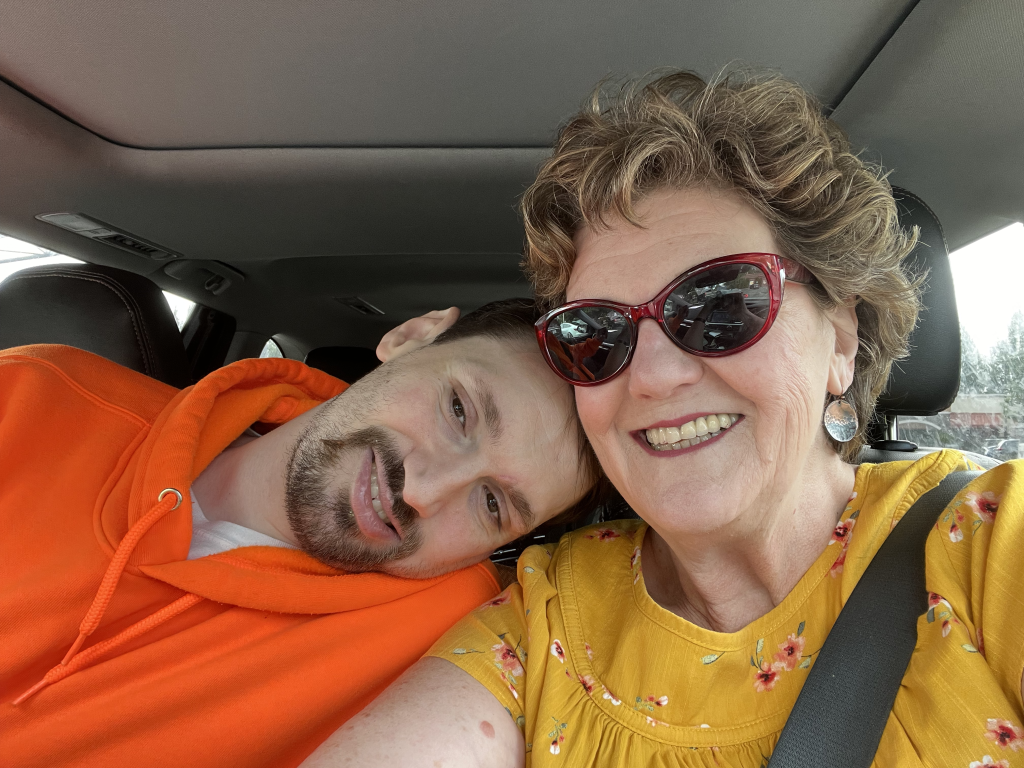
Monica Meyer is a consultant and technical assistance specialist with more than 25 years of experience supporting people with autism and intellectual and developmental disabilities with complex, high-acuity support needs. But this project is also deeply personal. Monica is the mother and guardian of an adult son with autism, intellectual disability, and complex health and support needs.
Her own experience of repeatedly helping new staff and providers understand who her son is and how best to support him inspired the development of creating multimedia profiles so the knowledge families/guardian gain over a lifetime can be preserved and shared with the people who support their loved one.